Across West Sussex, many families are quietly navigating the uncertainty that comes with noticing subtle changes in a loved one’s memory, behaviour, and daily functioning.
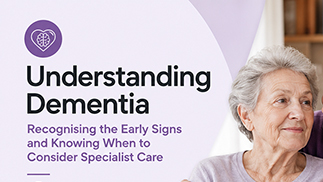
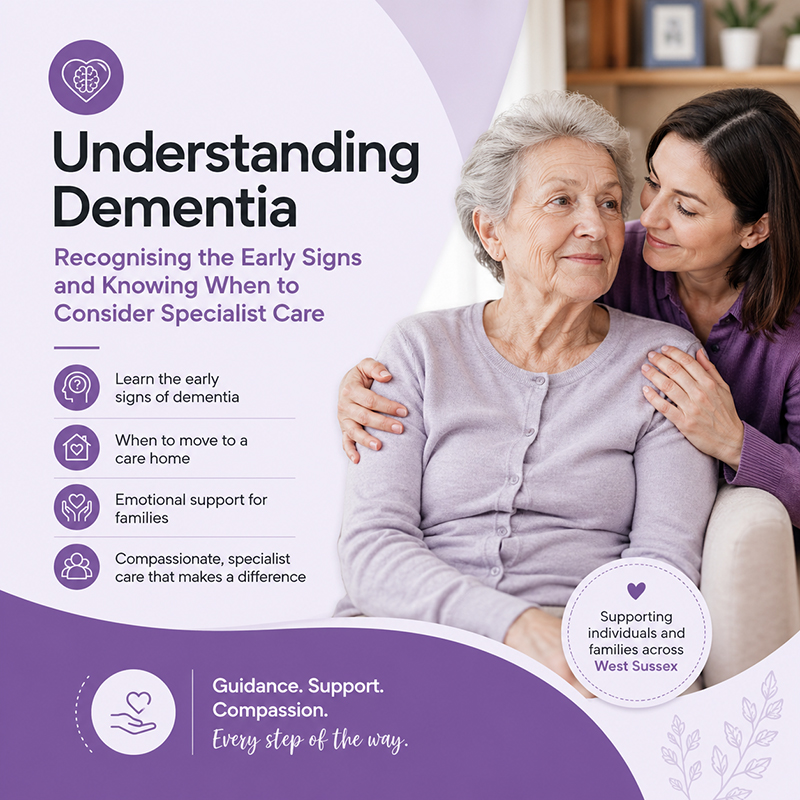
Understanding the early signs of dementia, knowing when to move to a care home, and accessing high-quality dementia care West Sussex can make a profound difference in both quality of life and peace of mind.
Dementia is not a single disease but a term used to describe a range of progressive neurological conditions, including Alzheimer’s disease. These conditions impact memory, cognitive ability, communication, and behaviour.
Early recognition allows families to plan ahead, access support, and ensure their loved one receives compassionate and appropriate care.
In West Sussex, where communities are closely connected, families often take on caregiving roles themselves. While this can be rewarding, it can also become overwhelming as symptoms progress.
Recognising the early indicators is the first step in making informed decisions.
Memory Loss That Disrupts Daily Life
Forgetting recently learned information, important dates, or repeatedly asking the same questions can signal more than typical ageing.
Difficulty with Familiar Tasks
Struggling to complete routine activities such as cooking, managing finances, or using household appliances is a common early warning sign.
Confusion with Time and Place
Losing track of dates, seasons, or becoming disoriented in familiar environments can indicate cognitive decline.
Changes in Communication
Difficulty finding words, following conversations, or repeating phrases may emerge early in the condition.
Mood and Personality Changes
Increased anxiety, depression, irritability, or withdrawal from social activities can reflect underlying neurological changes.
Poor Judgement and Decision-Making
Uncharacteristic financial decisions, neglect of personal hygiene, or unsafe behaviours are often overlooked but critical signs.
Families often experience a mix of concern, denial, guilt, and grief as they witness changes in someone they love.
We understand that many families feel a strong sense of responsibility to provide care at home. However, as the condition progresses, the demands can become physically and emotionally exhausting.
It is essential to acknowledge these feelings and recognise that seeking professional support is not a failure, it is an act of care and compassion.
Open conversations within the family, combined with guidance from healthcare professionals, can help ease the transition and ensure decisions are made with empathy and understanding.
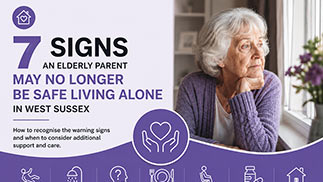
While every situation is unique, there are clear indicators that specialist care may be the safest and most supportive option:
Increased Safety Risks
Frequent falls, wandering, leaving appliances on, or getting lost can pose serious dangers.
Declining Physical Health
Weight loss, poor hygiene, or unmanaged medical conditions may indicate that more comprehensive care is needed.
Caregiver Burnout
When family members experience exhaustion, stress, or declining health, it becomes unsustainable to continue without support.
Advanced Cognitive Decline
As dementia progresses, individuals may require 24-hour supervision, structured routines, and specialised interventions.
Social Isolation
A lack of engagement or stimulation can accelerate cognitive decline and affect emotional wellbeing
Choosing professional dementia care West Sussex offers numerous advantages that extend beyond basic support:
. Structured and Safe Environments designed specifically for individuals with cognitive impairments
. Highly Trained Staff who understand dementia behaviours and provide compassionate care
. Personalised Care Plans tailored to individual needs, preferences, and routines
. Social Engagement Opportunities that promote mental stimulation and emotional wellbeing
. 24/7 Monitoring and Support ensuring safety and immediate response to needs
At Homelands Nursing Home in Cowfold, we provide dedicated, person-centred dementia care designed to support both residents and their families. Our approach focuses on dignity, comfort, and maintaining a sense of identity for every individual in our care.
Specialist Dementia Care Approach
We implement tailored care strategies that adapt to each stage of dementia. Our team is trained to recognise behavioural cues, reduce anxiety, and create a calm, reassuring environment.
Safe and Comfortable Living Spaces
Our facilities are thoughtfully designed to minimise confusion and maximise safety. Clear layouts, secure outdoor areas, and familiar surroundings help residents feel at ease.
Engaging Daily Activities
We offer meaningful activities that stimulate memory, encourage interaction, and bring joy to daily life. From music therapy to reminiscence sessions, every activity is designed with purpose.
Compassionate, Experienced Staff
Our caregivers build strong relationships with residents, ensuring they feel respected, understood, and supported at all times.
Family Support and Communication
We maintain open communication with families, providing regular updates and guidance throughout the care journey. We understand that dementia affects everyone involved, and we are here to support you every step of the way.
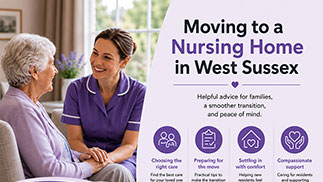
Transitioning a loved one into a care home is never easy, but with the right support, it can be a positive and reassuring step.
Preparing for the move involves:
. Visiting care homes and asking detailed questions
. Involving your loved one in decisions where possible
. Bringing familiar belongings to create a sense of home
. Maintaining regular visits and communication
By choosing a trusted provider of dementia care West Sussex, families can feel confident that their loved one is receiving the highest standard of care.
Early recognition, thoughtful decision-making, and access to specialist care can transform this journey from one of uncertainty to one of support and reassurance.
We are committed to helping families navigate the challenges of dementia with clarity, compassion, and expertise. Whether you are noticing the early signs of dementia or considering when to move to a care home, the right guidance and care can make all the difference.
At Homelands Nursing Home, we provide compassionate, professional dementia care tailored to each individual.

View feedback from each of our care homes.
We take pride in the kind words and positive reviews we receive from our residential
care homes in Surrey and West Sussex. Your trust and appreciation serve as powerful
reminders of why we do what we do.

We look forward to hearing from you.